




Summer checklist: 10 points to check on your car before the heat
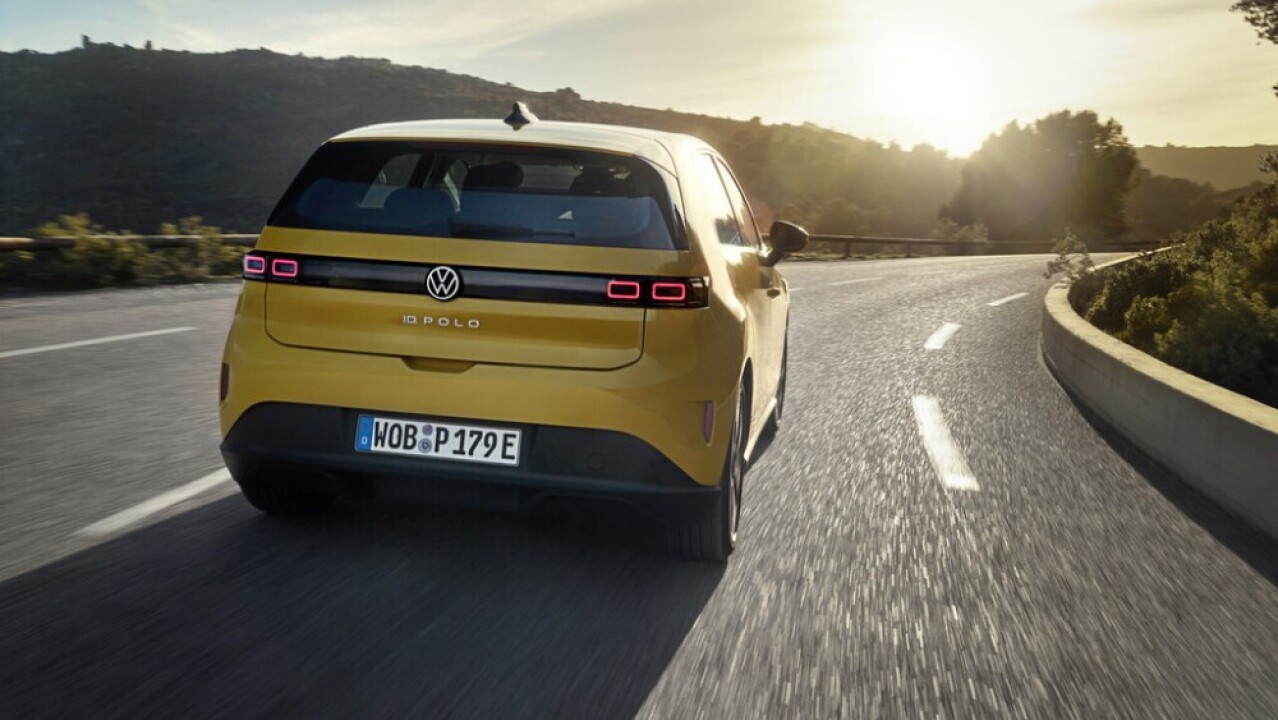
High temperatures, long loaded trips, highways in 35 °C heat… summer puts your car to the test just as much as winter. Discover the 10 essential checks to perform before hitting the road this summer.
People often think winter is the only difficult season for a vehicle. That's wrong.
Heat waves, holiday departures with a full trunk, highway kilometers and summer storms put just as much strain on your car. Sometimes even more.
Air conditioning giving up on the first hot day, a battery dying at a rest stop, an underinflated tire bursting at high speed: so many avoidable nasty surprises.
Summer 2026 is expected to be marked by early heat waves, already observed at the end of spring. At Garage Pepin in Ingeldorf, our Volkswagen-certified technicians prepare our customers' vehicles for the summer season every year.
Here are the 10 essential points to check before summer.
1. Air conditioning: comfort that becomes safety
It's the great forgotten item in routine maintenance, yet the first thing to check before summer.
Effective air conditioning is not just a matter of comfort. In extreme heat, it reduces driver fatigue and maintains your alertness.
Test it now, without waiting for the first heat wave. Drive for about ten minutes with windows closed, air conditioning set to minimum, and observe the cooling time.
If the air remains lukewarm, if an unpleasant smell appears or if cooling is slow, the system deserves a check. Proper maintenance includes checking the seal, monitoring refrigerant gas and replacing the cabin filter.
💡 Pepin's tip: don't settle for just a gas recharge. A leaking circuit will be empty again within a few months. We always check the seal before any recharge, it's the only way to guarantee lasting cooling.
2. Tires: your only contact point with a scorching road
Tires are your vehicle's only link to the road surface. Summer puts them under particular strain.
Asphalt can exceed 60 °C. Heat expands air and increases pressure, while an underinflated tire heats up even faster, with a real risk of blowout at high speed.
Check pressure when cold, in the morning, respecting the values recommended for a loaded vehicle. They are often shown on the driver's door post. Before a long trip, increase the pressure slightly.
Also inspect tread depth (1.6 mm minimum legal, 3 mm recommended) and the condition of the sidewalls. Don't forget the spare wheel or puncture repair kit.
💡 Our tip: if you're still running winter tires, summer is the time to switch to summer tires. We store your tire sets in our facility and handle seasonal changes. Convenient and economical.
3. Battery: heat wears it out just as much as cold
Contrary to popular belief, the battery doesn't only suffer in winter.
Heat accelerates evaporation and internal degradation. A battery weakened by summer can fail without warning, often at startup in a vacation parking lot.
A battery more than four or five years old deserves a load test, especially before a long trip. The check takes just a few minutes at the workshop and saves you from being stranded.
💡 Our tip: on electric and hybrid vehicles, the traction battery is monitored constantly. But the auxiliary 12V battery is still there and wears out too. Remember to have it checked.
4. Coolant: protection against engine overheating
This is the fluid that prevents your engine from overheating. Its role becomes critical in extreme heat.
Insufficient level or poor concentration can cause serious damage, difficult to repair on the roadside.
Check the level when cold in the expansion tank and ensure there are no leaks. Take the opportunity to inspect the hoses, which are prone to cracking during periods of extreme heat.
If the temperature warning light turns red while driving, turn off the air conditioning and stop as soon as possible.
5. Fluid levels: oil, brakes and windshield washer
Summer is a good time to check all fluid levels.
An engine running in extreme heat requires better lubrication. Check the level and condition of engine oil, and do an oil change if it's due.
Check the brake fluid. An abnormally low level may indicate brake pad wear or a leak.
And don't neglect windshield washer fluid. It empties quickly in summer between insects, dust and pollen. Top it up with an appropriate product.
6. Brakes: absolute priority, especially when loaded
A car heading on vacation runs more loaded than usual. It therefore puts more strain on its brakes, particularly on mountain descents or highway slowdowns.
At the slightest sign of warning, grinding noise, soft pedal or vibrations when braking, have the system checked without delay. It's the most critical safety element of your vehicle.
⚠️ Safety: never postpone a brake check. If in doubt before departure, come see us. Diagnosis is quick.
7. Lighting: visibility for early departures and nighttime returns
Long summer trips often mean early departures or nighttime returns. And summer storms suddenly reduce visibility.
Check all your lights: front and rear headlights, brake lights, turn signals, parking lights and fog lights.
The simplest way is to check with two people. One person operates the controls, the other walks around the vehicle. A burnt-out bulb compromises safety and can result in a failed inspection.
8. Wipers and windshield: anticipate summer storms
Summer storms come fast and hard. Worn blades are always noticed too late, in the middle of heavy rain.
Test your wipers. If they leave streaks, skip or make noise, replace them.
Also check the condition of your windshield. A small chip can grow quickly due to temperature differences between a climate-controlled cabin and a hot windshield.
9. Mandatory equipment and safety kit
Before any departure, make sure you have the mandatory equipment on board: warning triangle and reflective vest. Keep them accessible from the cabin, not at the bottom of the trunk.
If you're traveling abroad from Luxembourg, check the specific requirements of each country you're crossing.
Also consider a useful summer kit: sufficient water, up-to-date first aid kit, sun shade and jumper cables.
10. Loading, roof box and documents
An overloaded car brakes less well and doesn't handle as well.
Distribute weight by placing heavy items low and at the back. Never place anything on the rear shelf: it obstructs visibility and becomes a projectile in a crash.
If you install a roof box, bars or a bike rack, check their attachment carefully before taking the highway.
Finally, keep your driver's license, vehicle registration certificate, insurance certificate and assistance contact details within reach.
Don't let the heat spoil your summer
These 10 checks constitute a complete inspection of your vehicle before summer.
Some can be performed by yourself. Others, such as air conditioning, brakes, battery or coolant, require professional expertise and appropriate equipment.
The good news? One workshop visit is usually enough to check everything.
At Garage Pepin in Ingeldorf, our Volkswagen-certified workshop offers a complete summer inspection, including checking all these points. Our team of experienced technicians provides you with a detailed report on your vehicle's condition and advises you on intervention priorities.